

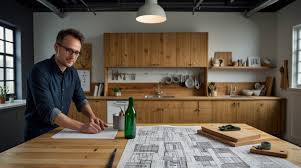
As homeowners become more environmentally conscious, sustainable design is transforming how interiors are built and styled. Nowhere is this more evident than in the kitchen, where cabinetry serves as both a functional necessity and a key design element. Traditional cabinet materials—while often durable—can carry a heavy environmental cost, due to deforestation, off-gassing, and intensive energy use in manufacturing. That’s why more designers and renovators are turning to eco-friendly cabinet options that combine aesthetics with environmental responsibility.
Sustainable cabinetry isn’t just a niche trend; it’s an essential element in modern home design. From reclaimed wood to bamboo, low-VOC finishes to formaldehyde-free plywood, homeowners have more environmentally responsible choices available than ever before. For those looking to learn more about custom kitchen cabinet solutions that incorporate eco-friendly materials, working with experienced cabinetmakers is key to balancing design, functionality, and sustainability in every project.
Eco-Friendly Cabinet Materials to Consider
One of the most popular sustainable cabinet options is bamboo. Technically a grass rather than wood, bamboo grows rapidly and regenerates quickly, making it a highly renewable source. Its strength and durability also make it a practical substitute for traditional hardwoods. Another excellent option is reclaimed or salvaged wood, which offers both history and character without the environmental cost of harvesting new timber.
Formaldehyde-free plywood or medium-density fiberboard (MDF) is another important choice for greener cabinetry. These alternatives reduce harmful indoor air emissions by eliminating toxic adhesives traditionally used in engineered wood products. Additionally, cabinets finished with water-based stains and low- or zero-VOC paints limit the release of volatile organic compounds, contributing to healthier indoor air quality.
Durability Meets Sustainability
One of the lingering misconceptions about eco-friendly materials is that they sacrifice durability. In fact, the opposite is often true. Many sustainable materials offer exceptional strength and longevity, making them ideal for everyday use. For instance, FSC-certified hardwoods are harvested responsibly and still boast the strength and resilience required for high-traffic kitchen environments.
Additionally, cabinetmakers who specialize in sustainable solutions tend to prioritize craftsmanship, often resulting in better construction and longer-lasting products. This means homeowners don’t just get a greener upgrade—they get a more durable one, too.
Design Without Compromising Style
Opting for sustainable cabinetry doesn’t mean compromising on style or customization. Today’s eco-conscious cabinet options come in a wide range of finishes, textures, and colors. Bamboo can be stained to mimic traditional wood grains or left natural for a minimalist look, while reclaimed wood offers rustic charm and unique imperfections that can’t be replicated.
Further, homeowners working with custom cabinetmakers have the unique opportunity to design a piece that reflects their personal tastes while adhering to sustainable values. Whether your style is contemporary, farmhouse, or transitional, eco-friendly cabinetry solutions are available to match.
The Bigger Environmental Picture
Choosing sustainable materials for your cabinetry contributes to a broader environmental goal. Reducing reliance on nonrenewable resources, limiting waste, and improving indoor air quality are just some of the positive impacts. Even more, sourcing local materials and working with regional cabinetmakers cuts down on transportation emissions and supports the local economy while aligning with green building practices.
Sustainable cabinetry is also well-aligned with evolving building codes and LEED certification guidelines, which are increasingly relevant in both new construction and remodeling projects. Making informed choices now can enhance not only your home’s environmental footprint but also its future resale value.
Final Thoughts
Sustainability is no longer a secondary consideration—it’s a defining factor in quality design. By choosing cabinetry materials that prioritize environmental health, homeowners can ensure that their spaces are not only beautiful and functional but also responsible. With the advancement of materials and design expertise, integrating sustainability into your kitchen has never been easier. The right cabinetmaker can guide you through a wealth of options that honor both your personal aesthetic and your commitment to the planet.
